Drive-in Racking vs Shuttle Racking: High Density Storage, LIFO Cost Comparison
Both drive-in racking and shuttle racking solve the same problem: storing many pallets of the same SKU in the smallest possible footprint….
Both drive-in racking and shuttle racking solve the same problem: storing many pallets of the same SKU in the smallest possible footprint. They do it in opposite ways. Drive-in lets the forklift enter the lane; shuttle sends a cart down the lane so the forklift never does. Choosing between them decides your throughput, your forklift hours, and your budget. This comparison covers the operating logic and the scenarios where each one wins.
How each system works
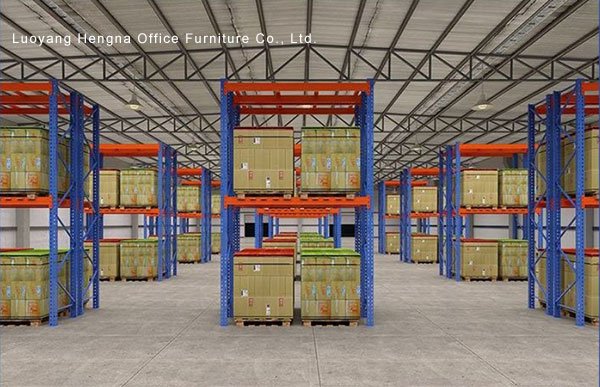
Drive-in racking. A forklift drives straight into the storage lane between the rails and places pallets on cantilever arms, one position at a time, from the deepest spot outward. One entry point. The last pallet in is the first pallet out (LIFO). Lanes are typically 5–10 pallet positions deep.
Shuttle racking. The forklift only works at the lane entrance. A battery-powered shuttle carries each pallet to its position along the rails and back. Lanes run 20–40 positions deep. The system supports FIFO and LIFO depending on how the shuttle is programmed and which end it serves.
The comparison at a glance
| Factor | Drive-in racking | Shuttle racking |
|---|---|---|
| Forklift enters the lane | Yes – every pallet move is forklift work | No – forklift stays at the lane front |
| Lane depth | 5–10 pallet positions | 20–40 pallet positions |
| Inventory rotation | LIFO only (single entry) | FIFO or LIFO (programmable) |
| SKU profile | Few SKUs, many pallets each | Same, plus mixed SKUs in one lane |
| Equipment cost | Steel structure only | Steel structure plus shuttle carts and controls |
| Throughput | Lower – forklift travel time per pallet | Higher – shuttle moves pallets in 40–60 seconds |
| Product damage risk | Forklift contact inside the lane is possible | Low – mechanical placement, no forklift in lane |
| Cold storage fit | Strong – fewer powered parts in the freezer | Strong – less forklift time in the freezer, but shuttle batteries need cold rating |
When drive-in wins
- Budget first. Drive-in needs no shuttle carts, no charging docks, no control software. The steel structure is the whole system
- Few SKUs, high volume. Beverage bottling lines, frozen food plants, and tire warehouses store dozens of pallets of one product – LIFO is fine and drive-in is the cheapest high density option
- Cold rooms with low traffic. Freezers where pallets move a few times a day, not a few times an hour
- Simple maintenance. No electronics means nothing to service beyond the steel
See our drive-in system pages for structure details: heavy-duty drive-in racking for cold storage and drive-in pallet racking for 3PL logistics.
When shuttle wins
- Throughput matters. Shuttles move a pallet in 40–60 seconds. A drive-in lane of the same depth needs several forklift trips and turning maneuvers
- FIFO required. Food and pharmaceutical stock rotation pulls the oldest pallet first; shuttle lanes handle that, drive-in cannot
- Fewer forklifts wanted. One forklift can serve several shuttle lanes because it only works the front positions
- Damage control. No forklift inside the lane means no rack frame hits and no pallet damage from maneuvering
Read the full system walkthrough here: shuttle racking high density storage system guide.
The decision path
Work through these questions in order:
- Do you need FIFO? Yes → shuttle, or double-entry drive-through racks. No → keep going
- How many SKUs per lane? One or two SKUs with deep stock → drive-in is hard to beat on cost. Several SKUs sharing lanes → shuttle, which stores mixed SKUs in one lane
- How fast do pallets move? A few moves per day → drive-in. Dozens per hour → shuttle
- Is it a freezer? Both work. Drive-in avoids batteries in the cold; shuttle cuts forklift time inside the freezer, which saves cooling energy. If you pick shuttle, ask for cold-rated batteries
- Budget for equipment? Limited → drive-in. The shuttle carts are an additional purchase and a maintenance line item
Installation and ramp-up compared
Drive-in racking assembles like standard pallet racking. A trained crew bolts the frames together, the forklift can enter the lanes the same day, and there is nothing to commission. The learning curve sits entirely with the forklift drivers, who need to get used to driving into a lane with 50 mm clearance on each side of the pallet.
Shuttle racking adds a commissioning step. The rails must be level along the full lane depth, the shuttle needs its first battery charge and programming, and operators need a training session on the remote control. Figure an extra few days before the system runs at full pace. After that, the shuttle does the precision work and the forklift drivers stay in open aisles.
Pallet requirements for both systems
Both systems need four-way entry pallets with legs running perpendicular to the rail direction. Drive-in tolerates a worn pallet better, because the driver can adjust placement at the cost of time. A shuttle has no patience for bad pallets: a broken board or a sticking stringer stops the cart mid-lane, and the operator has to walk in and clear it. If your pallet fleet is mixed or damaged, run a pallet screening pass before committing to shuttle lanes.
Cold storage specifics
Cold room construction costs two to three times a normal warehouse per cubic meter, so storage density is not a preference there – it is the budget. Both systems serve freezers, with different strengths:
- Drive-in in cold rooms keeps the design simple: no batteries, no electronics, nothing to fail at -25°C. The racking itself is specified with cold-rated steel and a galvanized or corrosion-resistant finish to handle condensation
- Shuttle in cold rooms reduces door openings and forklift time inside the freezer, which saves cooling energy. The trade-off is the shuttle itself: batteries lose capacity in the cold, so cold-rated battery packs and a charging plan are part of the spec
For frozen food plants, meat cold stores, and seafood warehouses, drive-in remains the workhorse choice; shuttle goes in where the daily pallet moves justify the equipment.
FAQ
Which is cheaper, drive-in or shuttle racking?
Drive-in costs less on equipment because the steel is the whole system. Shuttle adds shuttle carts, rails, and controls. The right comparison is cost per pallet position against your throughput: a busy cold room often recovers the shuttle premium through labor and energy savings.
Can drive-in racking do FIFO?
Single-entry drive-in cannot. A double-entry drive-through configuration, with access from both ends of the lane, provides FIFO while keeping the forklift-operated, no-electronics design.
How many pallets fit per lane?
Drive-in lanes: 5–10 pallet positions deep. Shuttle lanes: 20–40 positions deep. Deeper lanes mean better cube utilization, which is where shuttle earns its premium back.
Which system works better in a freezer?
Both. Drive-in has no electronics to fail in the cold. Shuttle cuts the time forklifts spend inside the freezer. If the shuttle route is chosen, specify cold-rated batteries and plan charging at the lane end.
Can you run drive-in and shuttle in the same warehouse?
Yes, and many cold stores do. Fast-moving SKUs go on shuttle lanes for throughput, slow movers sit on drive-in racks for cost. One supplier for both systems keeps spare parts and maintenance simple, and the upright families often share the same structural design.
What test assemblies teach us
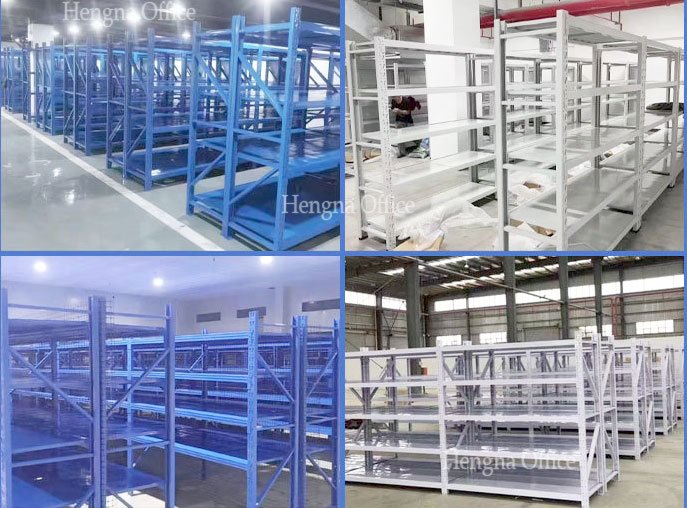
We trial-assemble both systems before packing, and the test floor is where problems surface early. The lessons repeat across projects: drive-in lanes forgive a slightly uneven pallet, shuttle lanes do not; shuttle rails need their level checked along the full depth before the first run; and every cold room order needs the corrosion spec written against the actual temperature range, not the general one. That is why each order ships with the test-assembly notes for the crew – the same notes that prevent most install-day surprises.
Send your pallet dimensions, SKU count, and daily throughput via the contact page for a two-layout comparison.