Boltless Metal Storage Rack for Garage Workshop & Auto Repair Shops – 4-Level, Snap-On Design, No Tools Required
Boltless Metal Storage Rack for Garage Workshop & Auto Repair Shops Product Overview Tired of spending hours assembling clunky shelving units? Our…
Boltless Metal Storage Rack for Garage Workshop & Auto Repair Shops Product Overview
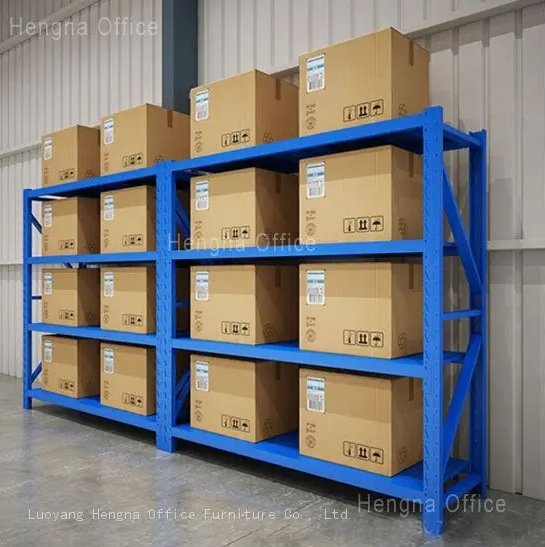
Tired of spending hours assembling clunky shelving units? Our Boltless Metal Storage Rack is engineered for speed, strength, and simplicity. Designed specifically for garages, workshops, and auto repair shops, this 4-level rack delivers industrial-grade storage without the hassle of tools or hardware. Whether you’re organizing hand tools, auto parts, or bulky equipment, this system keeps your workspace clean, accessible, and efficient.
Key Features & Benefits
Tool-Free Boltless Assembly
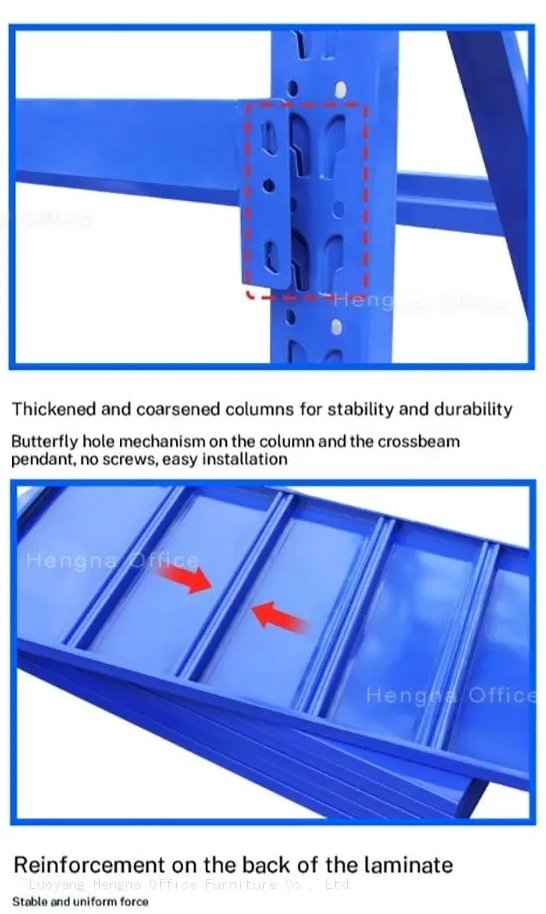
Say goodbye to screwdrivers, wrenches, and instruction manuals. Our innovative snap-on design uses a butterfly hole mechanism that locks beams securely into uprights—no screws, no bolts, no tools required. Two people can assemble a full unit in under 10 minutes, saving you time and labor costs.
Heavy-Duty Steel Construction
Built from high-quality cold-rolled steel, this rack features thickened uprights with coarsened surfaces for superior stability. The robust frame supports heavy loads without warping or shaking, making it ideal for industrial environments where durability matters.
Reinforced Shelf Design
Each shelf includes back reinforcement ribs that distribute weight evenly across the surface. This prevents sagging or deformation—even when storing heavy boxes or machinery parts. The ribbed structure also adds rigidity, ensuring long-term performance under load.
Adjustable 4-Tier Storage
With double-row diamond-shaped adjustment holes, you can reposition shelves in seconds to accommodate items of any size. Whether you need space for tall tires or shallow toolboxes, the flexible layout maximizes vertical storage and adapts to your evolving needs.
Stable & Durable Structure
Precision-punched columns and interlocking beams create a rigid, wobble-free frame. The design resists lateral movement, even when fully loaded. Perfect for high-traffic areas like auto shops or busy workshops where safety and stability are non-negotiable.
Boltless Metal Storage Rack for Garage Workshop & Auto Repair Shops Product Specifications
| Feature | Detail |
|---|---|
| Product Name | Boltless Metal Storage Rack |
| Material | Cold-Rolled Steel |
| Structure | Snap-On / Boltless Design |
| Levels | 4 Shelves |
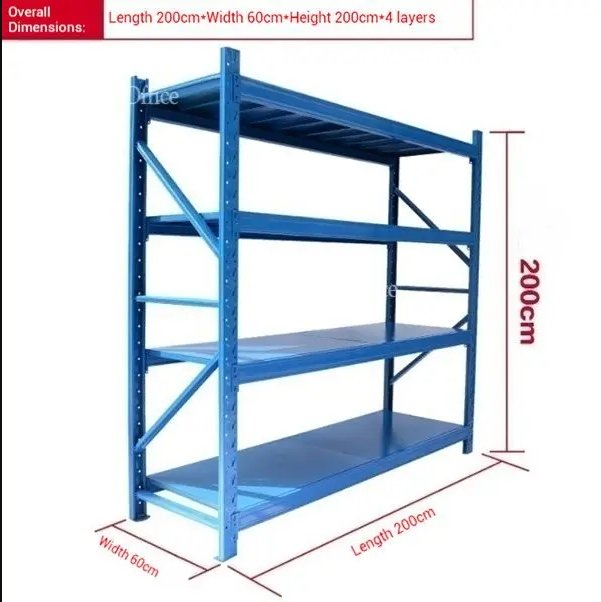
| Dimensions | 2000(L) × 600(W) × 2000(H) mm |
| Color | Blue & White (Customizable) |
| Load Capacity | Medium to Heavy Duty |
| Application | Garage, Workshop, Warehouse, Auto Repair Shop |
Boltless Metal Storage Rack for Garage Workshop & Auto Repair Shops Application Scenarios
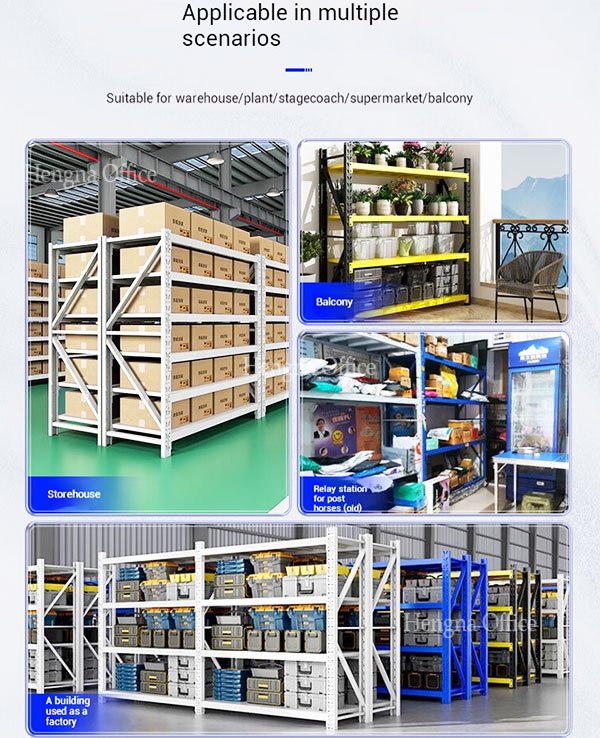
- Garage Storage: Store tires, oil jugs, tool chests, and seasonal gear neatly off the floor.
- Workshop Organization: Keep power tools, hardware, and materials within easy reach.
- Auto Repair Shops: Manage spare parts, filters, belts, and diagnostic equipment efficiently.
- Small Warehouses: Ideal for light inventory storage, order picking, and staging areas.
- Commercial Use: Durable enough for retail backrooms, service centers, and industrial facilities.
Why Choose Our Boltless Racking System?
- Faster Installation: Assemble in minutes, not hours—perfect for tight deadlines.
- Cost-Effective: Lower labor costs and no need for specialized tools or hardware.
- Space-Saving: Maximize vertical space without bulky frames or protruding hardware.
- Easy to Expand: Add more units or customize configurations as your storage needs grow.
- Professional Look: Clean, industrial design that enhances any workspace.
- OEM & Bulk Support: We offer custom branding, colors, and bulk pricing for businesses.
FAQ
Q1: Is this rack really tool-free?
Yes! The boltless snap-on design allows quick assembly without tools. Just align and lock the beams into the uprights.
Q2: Can the shelf height be adjusted?
Yes, each shelf can be repositioned using the diamond-shaped holes on the columns. Adjustments take seconds and require no tools.
Q3: What is the weight capacity per shelf?
Capacity depends on configuration, but each shelf typically supports medium to heavy-duty loads—ideal for tools, parts, and equipment.
Q4: Is it suitable for commercial use?
Absolutely. It’s designed for workshops, garages, and industrial environments where durability and stability are critical.
Q5: What are the standard dimensions? Can it be customized?
Standard size is 2000×600×2000mm (4 shelves). We offer customization for length, depth, and number of levels. Common depths: 400mm, 500mm, 600mm, 800mm.
Q6: How stable is it when multiple units are connected?
Connecting multiple racks via shared uprights creates a continuous, rigid structure. For heights over 2 meters or heavy loads, we recommend anchoring to the floor or adding back/side panels.
Q7: What is the minimum order quantity (MOQ)?
Standard models: 10 units. Custom models (size, color): 20 units. Sample orders (1–2 units) are available for first-time buyers.
Call to Action
Ready to transform your workspace? Upgrade to our Boltless Metal Storage Rack today and experience fast, durable, and flexible storage. Contact us now for bulk pricing, OEM customization, and fast delivery options.