Boltless Pallet Racking for 3PL Warehouses: Quick Assembly, Adjustable Beam Levels
A 3PL warehouse changes layout more often than most factories change their product line. New clients arrive with new SKU profiles, seasonal…
A 3PL warehouse changes layout more often than most factories change their product line. New clients arrive with new SKU profiles, seasonal peaks demand more positions, and contract terms force re-slotting every few months. That is the environment where boltless pallet racking earns its place: beam levels move in minutes, runs extend with add-on frames, and the whole system packs flat for container shipping when the 3PL itself expands to a new building.
Why 3PLs choose boltless pallet racking
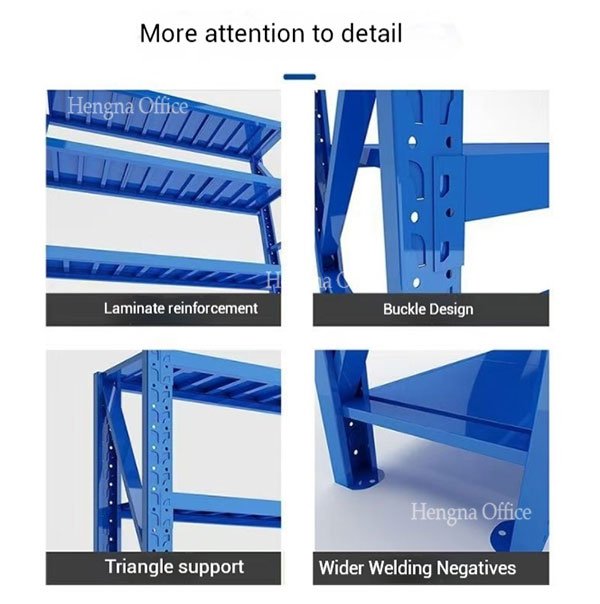
- Tool-free assembly. Beams hook into keyhole slots on the uprights – no bolts, no impact wrenches, no specialist installers. A two-person crew assembles a standard bay in minutes
- Adjustable beam levels. Slots run up the upright at close spacing, so when a client’s pallet height changes, you move the beams instead of buying new racking
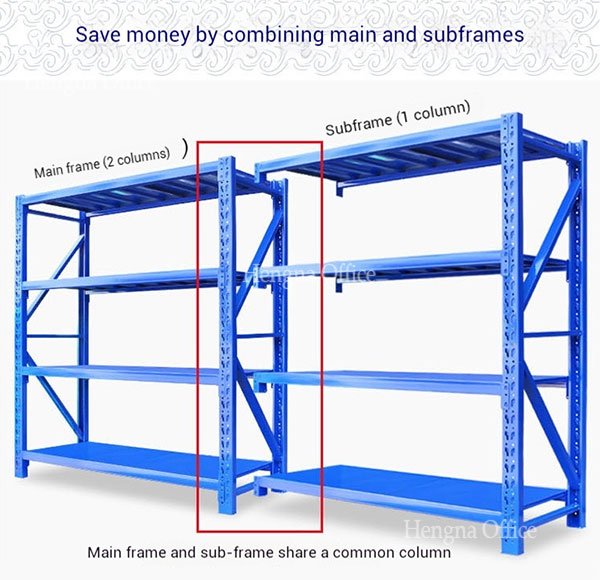
- Expandable runs. Main frames stand alone; add-on frames share the upright with the previous bay. A growing 3PL adds positions one bay at a time without re-buying the whole run
- Container-friendly KD packing. Frames and beams pack flat, which matters when the 3PL ships racking to a new site or buys it direct from the factory
Load ratings and positioning
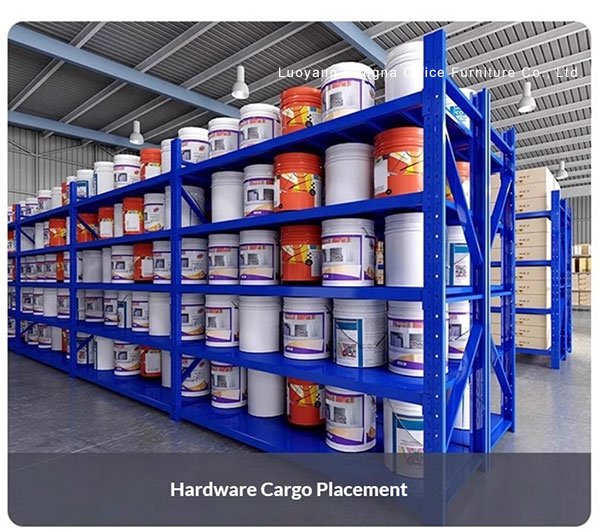
This range is light-to-medium duty selective pallet racking. Beams are rated 300–500 kg per level, which covers the majority of 3PL work: e-commerce parcels, cartons, repacked goods, and light industrial products. If a client stores dense drums or heavy machinery parts, those SKUs go on a heavy duty system instead – most 3PL buildings run both.
The honest positioning matters here. This racking is not built for multi-ton industrial loads, and it should not be sold as such. For the typical 3PL mix – many SKUs, moderate weights, constant re-slotting – light-to-medium boltless racking is the cheapest system to own because it costs little to reconfigure.
What a standard bay looks like
| Component | Spec |
|---|---|
| Upright frame | Cold-rolled steel, keyhole slots for beam hooks |
| Beams | Box-section with hook connectors, 300–500 kg per level |
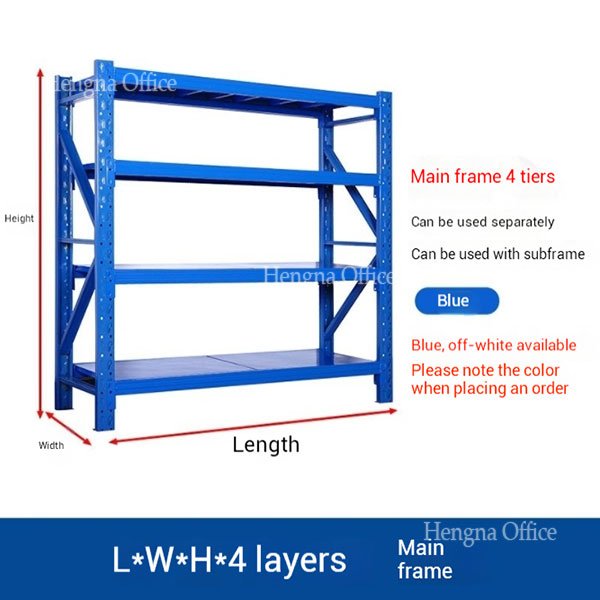
| Levels | Adjustable, commonly 4 levels per bay |
| Decking option | Steel wire decks for cartons and loose goods |
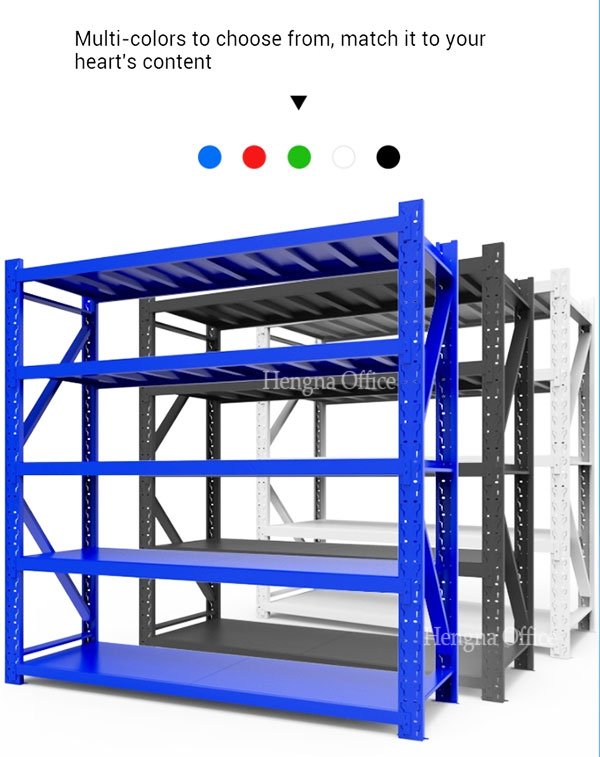
| Finish | Electrostatic powder coating, standard colors blue uprights / orange beams |
| Accessories | Slot-in label holders for location management, pallet back stops |
Scenarios inside a 3PL building
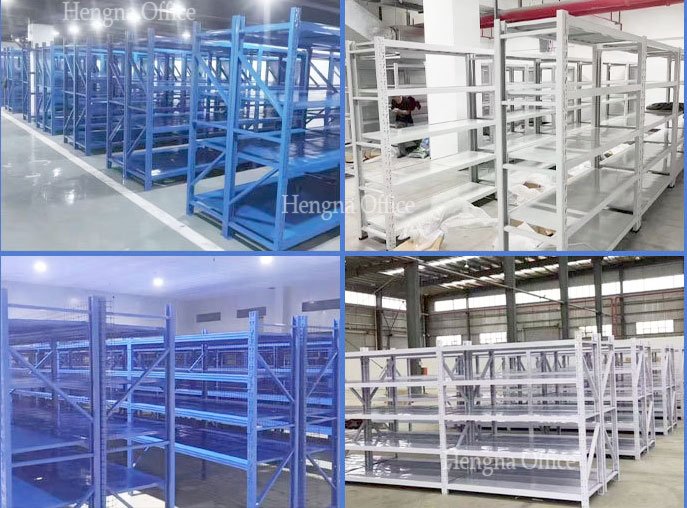
- E-commerce fulfillment. Racks hold cartons and polybags by SKU zone; beam levels change when the client’s product mix changes seasonally
- Cross-docking buffer. Inbound pallets stage briefly before sortation; boltless racking gives fast setup around the dock area
- Pallet jack operation. Light-duty bays work with manual pallet jacks for small clients who do not run forklifts
- Repack and value-added zones. Mid-height racks separate repack stations without walls
Related systems for the same building: boltless adjustable pallet racking 2000kg per level, selective pallet rack 4 levels cold-rolled steel, and heavy duty pallet racking 2500kg per level for the heavy SKU zones.
From empty bay to live operation
A new 3PL client usually means the racking has to be up and slotted before the first truck arrives. The timeline with boltless racking looks like this:
- Day 1 – unload and stage. KD bundles come off the container by bay count; frames and beams sort by size
- Day 1-2 – frame assembly. Two-person crews stand up uprights and hook beams in; no bolts and no power tools mean bays go up in minutes each
- Day 2 – first slotting. Beam levels set to the client’s pallet heights, wire decks laid where cartons sit loose, label holders snapped into the beams
- Day 3 – live. Pallets flow into the system
The same sequence in reverse happens when a client leaves: racks unclip, palletize flat, and ship to the next building or back into storage. That reuse is what keeps racking on a 3PL balance sheet as an asset instead of a write-off.
Container loading and lead time
Boltless racking packs tight because nothing ships pre-assembled. Upright frames nest, beams bundle, and a standard container takes the steel for a sizeable multi-aisle layout. From confirmed order, standard blue/orange racking ships in 2–3 weeks; custom colors or special decking add about a week. We load by bay and by aisle with marked bundles, so the unload crew works from the layout drawing instead of sorting loose steel.
If the building plan is still being finalized, we work from the CAD layout and adjust beam counts up to the last week before loading.
Layout planning for mixed clients
A 3PL building serves several clients at once, and the racking layout has to stay readable for staff who switch between accounts daily. Three practices that keep it manageable:
- Zone by client, not by product type. Each client gets a clearly marked rack run; location labels snap into the beam faces so pickers read bay and level at a glance
- Slot by velocity. Fast-moving pallets go to the front bays near the dock; slow movers go deep. When a client’s mix changes, beams move instead of stock
- Leave one spare bay per run. Peak season arrives for at least one client every month. A spare bay absorbs the overflow without reworking the aisle
Aisle width follows the equipment: pallet-jack zones run 2.4–2.8 m aisles; reach truck zones need 2.8–3.2 m plus turning room at the ends. Getting this right at the layout stage avoids rebuilding later.
FAQ
Can boltless pallet racking be moved between warehouses?
Yes. Frames and beams unclip as fast as they assemble, and KD packing means the racking ships flat. 3PLs moving buildings routinely take their racking with them, which is the main reason boltless systems hold resale value.
How fast can a run be reconfigured?
Beam levels reposition in seconds per beam. A four-bay run can be fully re-slopped by two people in under an hour, without tools.
Is boltless racking safe for forklift aisles?
For pallet jack and light reach truck operation, yes. For heavy counterbalance forklifts in dense traffic, add column protectors and check the beam ratings against the pallet weights first.
Can you supply racking for a brand new 3PL building?
Yes. We supply full container orders of KD racking with layout drawings for the building plan, plus OEM color and spec options. See the warehouse mezzanine system page if the building also needs a second level.
What happens when a beam gets damaged?
Replace the beam, not the bay. Beam hook designs mean a damaged beam unclips and a new one hooks in within minutes, and the rack returns to service the same shift. Keep a small beam stock on hand if forklift traffic is heavy.
How do 3PLs handle seasonal peaks?
Three moves: re-slot beam levels to taller pallet stacks, bring the spare bay online, and extend the run with add-on frames where the building allows. Boltless racking does all three without installation crews.
Built for fast build-outs
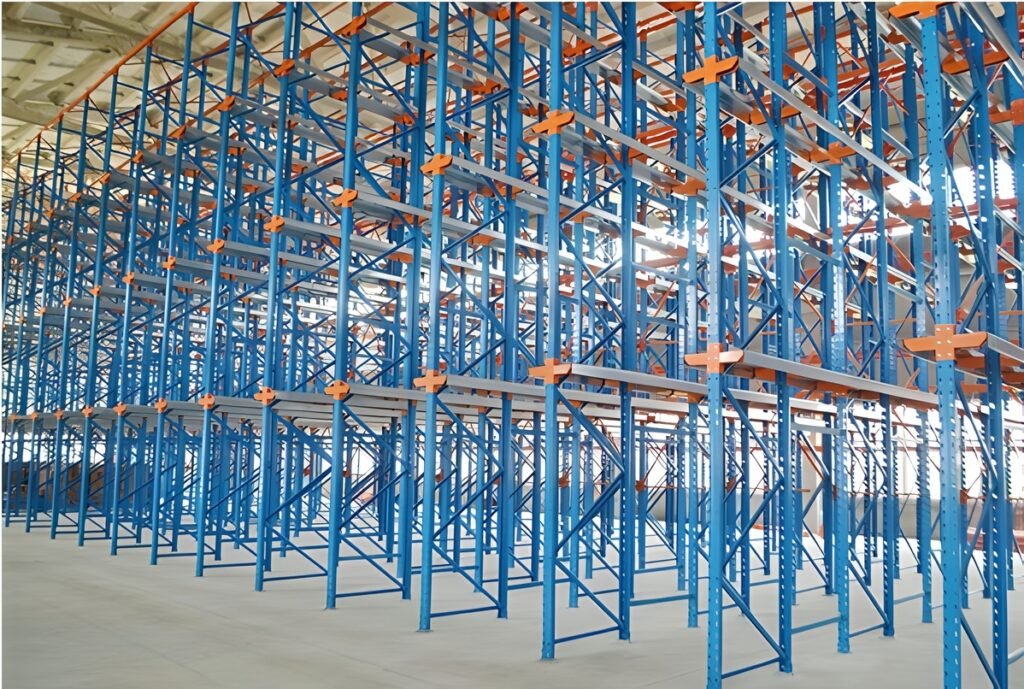
For a 3PL, racking lead time decides whether the building earns rent or waits. Our loading floor works from the layout drawing: bundles are marked by bay and aisle, uprights nest flat, and beams strap by length. The unload crew does not sort loose steel – they walk the container in build order. Integrators who run repeat projects get the same bundle logic every time, so their install teams move faster on the second site than the first. OEM colors and add-on frame packages are loaded against the same drawing.
Send your bay count, pallet sizes, and aisle plan via the contact page for a layout and container loading plan.