Heavy Duty Pallet Rack Buying Guide: How to Calculate Real Load Capacity Based on Your Warehouse Conditions
Have you ever run into this situation when buying heavy duty pallet racks? The spec sheet clearly says “800 kg per level,”…
Have you ever run into this situation when buying heavy duty pallet racks?
The spec sheet clearly says “800 kg per level,” but after less than two years of use, the beams start to bend and the uprights are visibly bowing outward. When you confront the manufacturer, they say, “Our load rating was tested under a 1.5-meter span. Your span is 2 meters, so the capacity naturally drops.”
That’s when you realize—load capacity isn’t a fixed number.
Today, let’s talk about the most overlooked but critical issue : How to calculate the real load capacity you need based on your actual warehouse conditions.
Trap #1: Only Looking at the Rated Capacity, Ignoring the Conditions
Most buyers think: I need to store 500 kg per shelf, so I’ll look for racks rated “500 kg per level.” Sounds reasonable, right?
But here’s the catch—under what conditions was that “500 kg” tested?
Span makes a huge difference. The same beam that holds 800 kg at a 1.5-meter span may only hold 500 kg when the span is extended to 2 meters. Think of it like a chopstick: if the ends are close together, you can put a brick in the middle; stretch them apart, and it snaps easily.
So when talking to suppliers, don’t just ask “How many kg can it hold?” Always add: “What’s the capacity at my actual span?”
Trap #2: Only Considering Static Weight, Ignoring Dynamic Impact
Now think about how your goods are loaded.
If it’s manual handling, static weight is close to actual load. But if you use forklifts—especially reach trucks or inexperienced operators—the story changes.
When a forklift pushes a pallet into the rack, the impact force can be 1.2 to 1.5 times the actual weight of the goods. Once or twice is fine, but day after day, the metal structure fatigues—like bending a paper clip repeatedly until it breaks.
That’s why many rack collapses aren’t caused by static overload—they’re caused by impact fatigue.
If your warehouse has frequent forklift traffic or varying operator skills, build in a safety factor. For example, if static load is 500 kg per level, design for 600-700 kg.
Trap #3: The Rack Is Fine, But the Floor Can’t Take It
This trap is sneaky and even more troublesome.
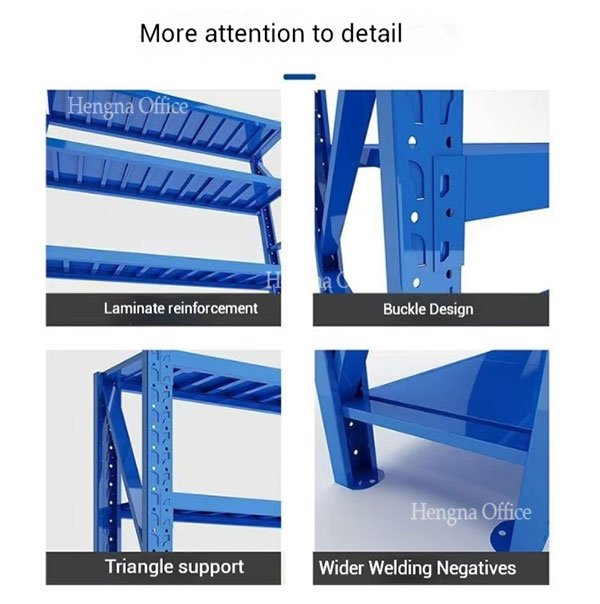
You pick strong racks with thick uprights, but once loaded, the floor cracks, sinks, and the whole rack starts tilting—who do you blame?
The load capacity of a rack isn’t just about the rack itself—it’s also about what the floor can handle.
Here’s what you need to calculate: total weight of a fully loaded rack bay, divided by the number of uprights, gives the load per foot (or per square meter) on the floor. This number must be less than your warehouse floor’s design capacity. If the floor isn’t strong enough, the rack’s strength is useless.
Heavy Duty Pallet Rack Buying Guide:How to Calculate a Reliable Load Capacity?
Here’s a simple four-step method to avoid major pitfalls:
Step 1: Calculate the Base Weight
Per level load = (single item weight + pallet weight) × number of items per level. Then add a 20% safety margin—in case you later store heavier items or add more.
Step 2: Determine the Span
Measure your warehouse’s column spacing—that’s your actual beam length. Ask the manufacturer: “What’s the capacity at this span?”
Step 3: Apply a Working Condition Factor
Is forklift traffic heavy? Is your warehouse humid? In a cold store? Factor these in and adjust the safety margin accordingly.
Step 4: Check the Floor
Calculate the maximum load per upright and compare it with your floor’s load-bearing capacity. Not sure how? Send the data to a reputable manufacturer—they’ll help you.
How to Tell If a Rack Manufacturer Is Reliable?
Anyone can write specs, but the real proof is in the details:
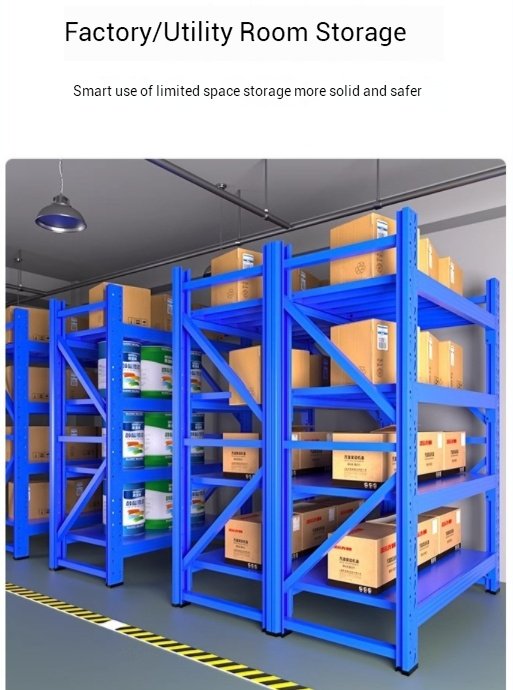
1. Steel quality. Good racks use virgin Q235 cold-rolled steel—tough and fatigue-resistant. Cheap ones use recycled steel with impurities that can crack in 2-3 years. How to tell? Ask for a mill certificate—if they provide it, they’re confident.
2. Profile design. Uprights with complex cross-sections (like Omega shape) resist bending much better than simple C-channels. Complex profiles cost more but handle heavier loads safely.
3. Welding quality. The beam-to-upright connection is the most stressed point. Look for full, even welds—sloppy welding means cut corners.
4. Do they offer custom solutions? If a supplier gives you a generic price list and says “pick what you like,” be cautious. A responsible manufacturer will ask for your warehouse drawings, load details, forklift type, and then provide a tailored design with calculations.
Why Luoyang Hengna Office Furniture Is the Top Choice for Many Businesses?
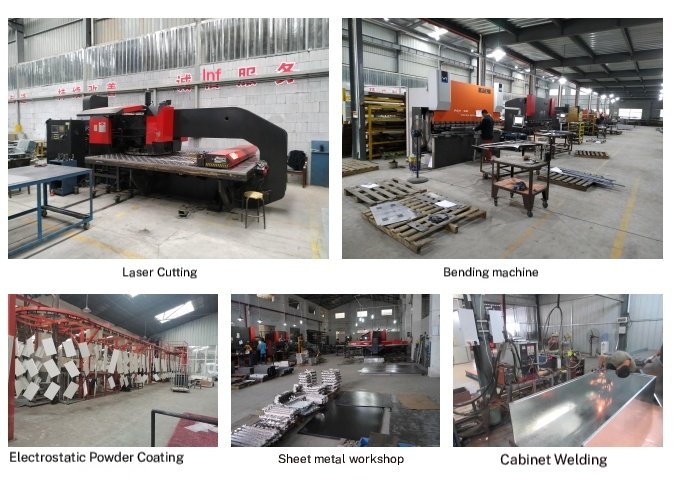
Simple: We don’t cut corners on materials, and we don’t settle for generic solutions.
We use 100% virgin Q235 cold-rolled steel to ensure durability and long life.
We reject the “one-sheet-fits-all” approach. For every inquiry, we ask detailed questions—warehouse dimensions, load weights, operational methods—and use professional models to calculate the most suitable design. The load capacity we provide is not a theoretical maximum, but a real-world safe capacity with a built-in 20% margin.
After all, racks are just metal until something goes wrong—then they become a major liability. Spending a little more for peace of mind is always worth it.
If you’re planning a new warehouse or have doubts about your current racks, contact us. Send us your warehouse drawings and load data—we’ll help you calculate the real capacity you need and recommend the right solution.
Let’s avoid the traps—together.