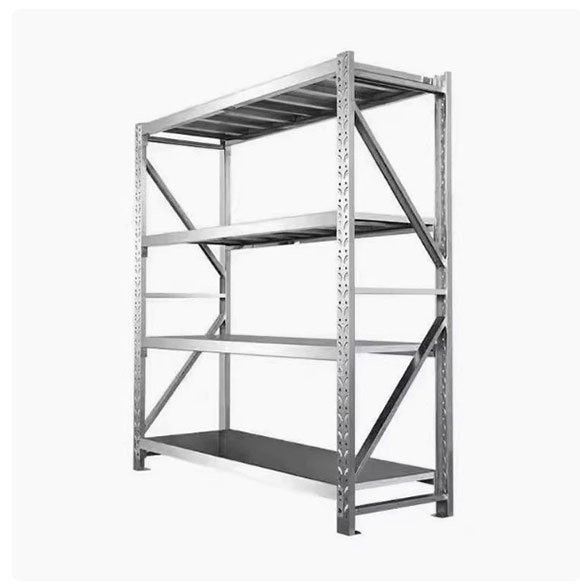
Bushfire Brigade Equipment Storage — Rake-Hoe, Pulaski & Fire Cache Racks Ready for Crews
In a bushfire brigade or volunteer fire service, the difference between a fast response and a delayed one often comes down to…
In a bushfire brigade or volunteer fire service, the difference between a fast response and a delayed one often comes down to gear that is where it should be. When a call comes in, crews grab long-handled rake-hoes, Pulaski axes, McLeods, and shovels and head for the appliance — and any tool that is buried in a pile, tangled, or unaccounted for slows that departure.
Dedicated bushfire brigade equipment storage rack solves this. A purpose-built rack holds each long-handled tool in its own position, visible and ready, so crews can see at a glance that the gear is present and can grab it without hunting. This guide covers how to organize wildfire hand tools and what to look for in a heavy-duty tool rack.
Why hand tools need a proper rack
Rake-hoes, Pulaski axes, and shovels are long, heavy, and awkward to store. Leaning them in a corner is risky — they fall over, get tangled, and can be a trip hazard. Stacking them in a bin means fishing through to find the right tool and hiding damage. A rack that holds each tool upright in a designated slot solves all three problems:
- Every tool has a fixed home, so missing items are obvious during the pre-trip check.
- Tools stay off the floor, out of walkways, and away from moisture.
- Crews grab the right tool fast, cutting time from call to departure.
For volunteer brigades where the same people rotate through shifts, a labeled rack also keeps accountability — everyone knows where each tool lives and can return it the same way.
Choosing a rack for long-handled fire tools
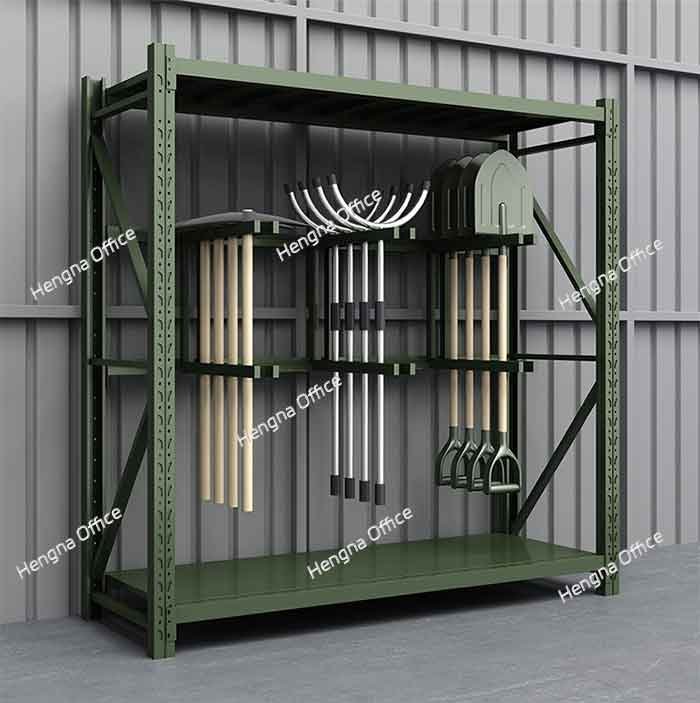
Wildfire hand tools are heavier than household shovels, so the rack needs a heavy-duty steel frame that will not tip or sag under a full load of rakes and axes. Look for:
| Rack feature | Why it matters for fire ground tools |
|---|---|
| Heavy-duty steel frame | Carries the weight of a full set of rakes, axes, and shovels without tipping |
| Individual tool positions | Each handle has its own slot or hook, so tools do not tangle |
| Off-floor storage | Keeps tool heads and handles dry and clear of walkways |
| Corrosion-resistant finish | Rust-resistant coating survives damp equipment rooms and coastal air |
| Compact footprint | Fits a station or shed wall without taking over the bay |
Rake-hoe and Pulaski storage in the fire cache
A fire cache or equipment room typically holds a mix of hand tools that need different handling. The rake-hoe and McLeod — used for raking fire line — have long handles and flat heads, and they store well in racks that cradle the head while the handle stands up. The Pulaski axe, a combined axe and mattock, needs a strong hook or slot that keeps the sharpened edge protected and away from people walking past.
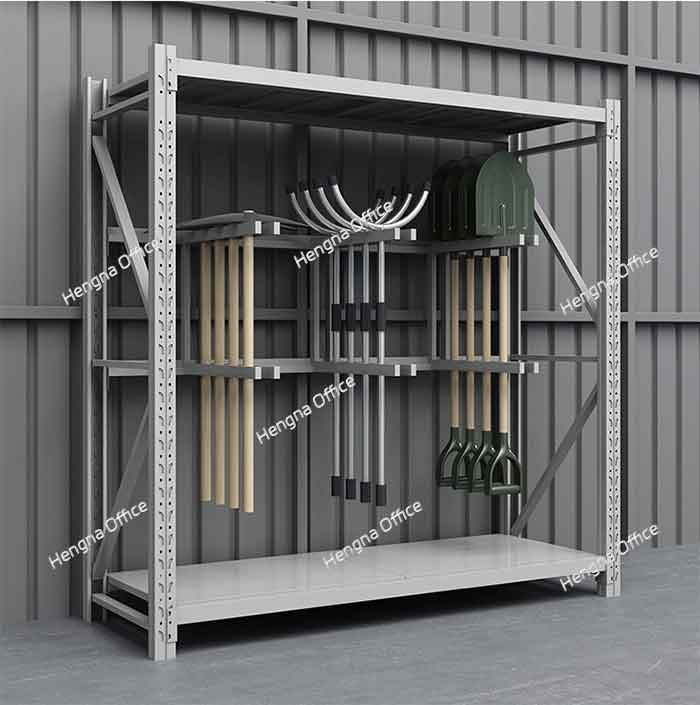
For brigades that also carry shovels, axes, and brush hooks, a multi-position rack lets you assign a spot for each tool type so the cache is organized by function, not just by what fits.
Fire station and public works tool rooms
Beyond bushfire brigades, the same rack serves fire stations and public works garages. Municipal crews store shovels, brooms, and rakes for snow removal and storm response, and an organized rack keeps the equipment ready between calls. In these rooms, the same principles apply: heavy-duty construction, individual positions, and off-floor storage that survives daily use.
Accountability and inspection
One of the quieter benefits of a labeled tool rack is accountability. When each Pulaski or rake-hoe has a marked position, the pre-trip inspection becomes a simple visual check — you can count the empty slots and know exactly what is missing. This supports the discipline of returning tools after every job, which keeps the cache complete and ready for the next call.
How to plan a tool rack order
Before ordering, work out the size of your rack:
- Count the number and types of tools you need to store, including spares.
- Measure the longest handle so the rack clears it with room to grab.
- Confirm the weight of the heaviest tool (a loaded Pulaski or rake-hoe) against the rack’s capacity.
- Decide how many levels and whether you need wheels for moving the rack.
Confirm the load capacity, dimensions, and finish in the quotation before committing.
Keeping the cache ready
A simple maintenance habit keeps the cache ready. Wipe tool handles and heads after fireground use, return every tool to its marked slot, and do a monthly check for loose handles or damaged edges. Because each tool has a fixed position, this check takes minutes — you can see at a glance whether anything is missing or needs attention. The rack itself needs little upkeep beyond an occasional wipe and a check that the frame is still square and level.
Why buy from Luoyang Hengna
Luoyang Hengna Office is a steel furniture manufacturer in the Pangcun steel furniture industrial zone, Henan, China. We build heavy-duty steel tool racks factory-direct for fire caches, volunteer brigades, and public works departments. Export orders ship in knock-down form with protective packaging, and pricing is confirmed per order with a 24-hour quotation response.
Frequently asked questions
Can a rack hold heavy Pulaski axes and rake-hoes safely?
Yes, when the rack is rated for the weight. Choose a heavy-duty steel model with individual slots or hooks so each tool is cradled and does not tangle or fall.
How do I stop long-handled tools from tangling?
Use a rack with a dedicated position per tool. Individual slots or hooks keep handles separated and make missing items obvious.
Should fire tools be stored off the floor?
Yes. Off-floor storage keeps tool heads and handles dry, clear of walkways, and ready to grab, which supports faster turnout and a safer equipment room.
Can the rack be used for shovels and brooms too?
Yes. Multi-position racks handle shovels, brooms, rakes, and brush hooks, making them useful for fire stations and public works garages alike.
How does a tool rack ship overseas?
It ships in knock-down form, flat-packed and protected, and assembles on site. Freight terms and lead time are confirmed in the quotation.
Get a quote within 24 hours
If you are organizing a fire cache or public works tool room, contact Luoyang Hengna for a quotation. We respond within 24 hours with pricing, lead time, and shipping options based on your tool list and destination.