Boltless Pallet Racking for Warehouse Expansion — One-Person Install, Adjustable Beam Levels
When a warehouse outgrows its floor plan, the typical reaction is to look for more square meters. But a large share of…
When a warehouse outgrows its floor plan, the typical reaction is to look for more square meters. But a large share of growing businesses find they can get more capacity out of the building they already have — by adding racking that assembles fast, adjusts to what is actually stored, and does not lock them into a layout they will want to change next season.
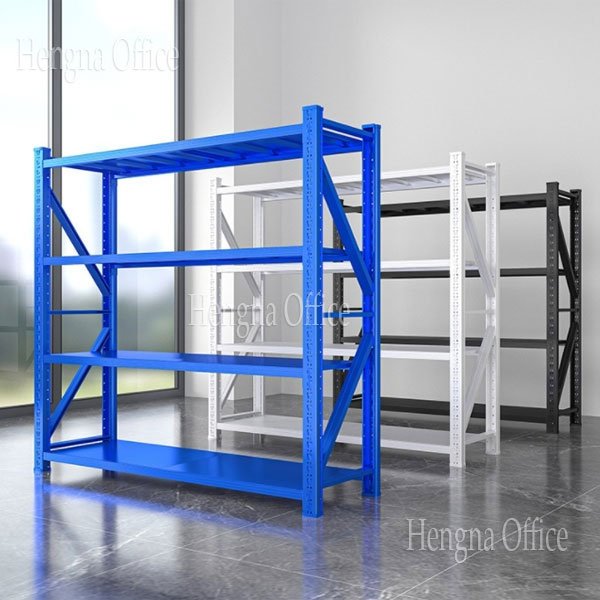
Boltless pallet racking for warehouse expansion is built for this. It gives you selective pallet storage without the long installation schedules of conventional bolted or welded systems, and it stays flexible as your SKU mix and pallet sizes shift. This guide covers how it expands, how beam levels follow your inventory, and why one-person installation matters for a lean team.
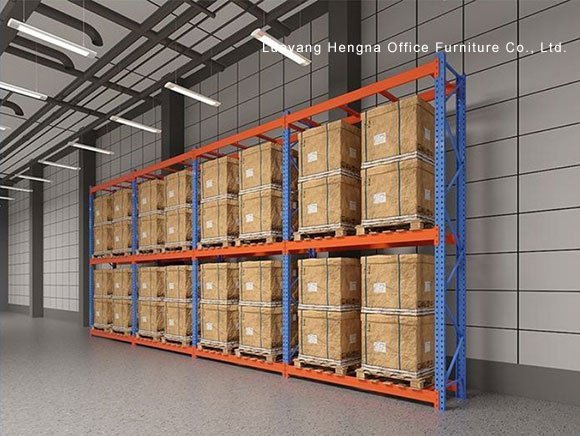
What makes boltless pallet racking expandable
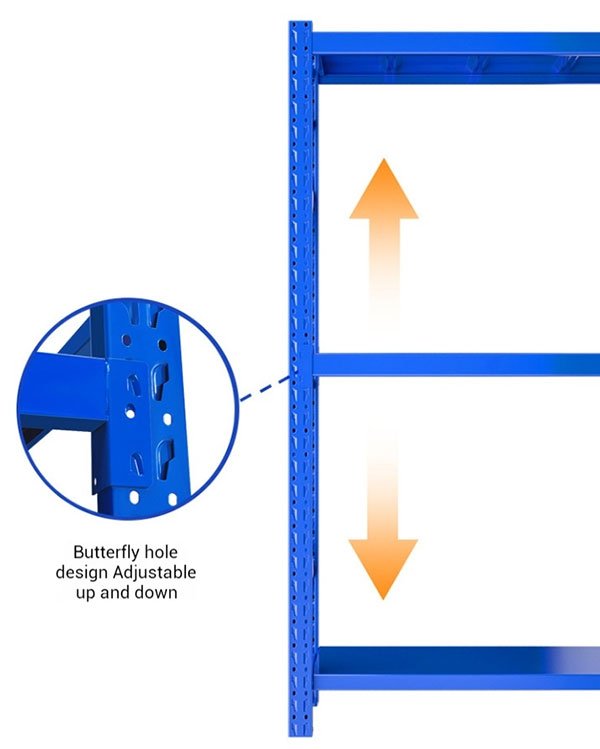
The core of a boltless system is the beam-to-upright connection. Instead of bolting each beam in place, the beam end hooks into a teardrop or keyhole slot on the upright column and locks with a safety pin or clip. This one difference changes how you plan an expansion:
| Boltless pallet racking advantage | Impact on a growing warehouse |
|---|---|
| Tool-free beam adjustment | Move beam levels in minutes to match new pallet and carton heights |
| Fast one-person assembly | Add bays without hiring a full installation crew or stopping operations for days |
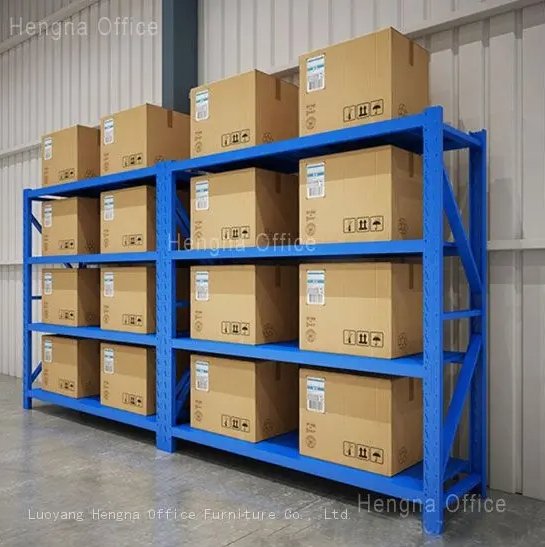
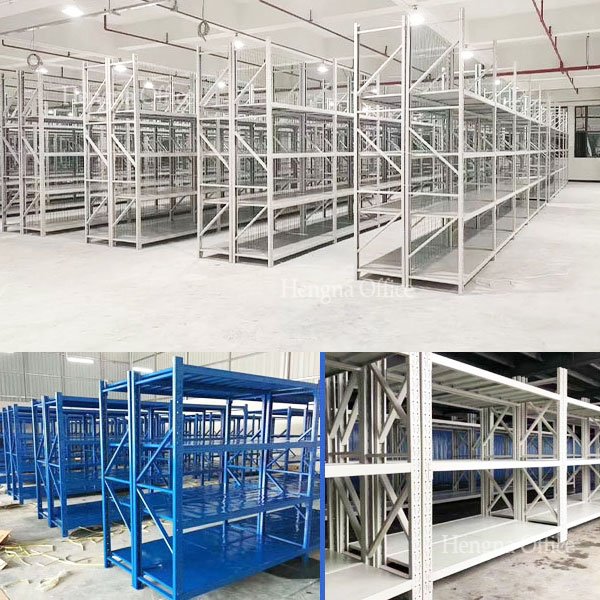
| Expandable bays and add-on units | Start with a few bays and add rows as stock grows |
| Selective pallet access | Every pallet is reachable directly, suited to mixed-SKU picking |
| Knock-down flat-pack delivery | Orders arrive flat and assemble on site, easing freight and scheduling |
Expansion without downtime
Warehouse operators usually avoid racking changes during peak season because a conventional install takes days. A boltless system changes that. The uprights and beams are designed so a small team — and in many cases one person — can assemble a bay and begin loading almost immediately. If your inventory grows mid-year, you add a bay over a weekend rather than waiting for a construction window.
Because beams clip in and out, reconfiguring beam levels for a new pallet height is a matter of lifting the beam and re-seating it at a different slot. This matters for operators whose suppliers change pallet and carton dimensions, or who want to switch between pallet and carton storage within the same bay.
Adjustable beam levels that follow your inventory
With boltless pallet racking, the vertical spacing of each level is never fixed. Each beam pair supports one level, and the pair can be repositioned along the upright in defined increments. Practical benefits include:
- Close the vertical gap between beams so you store more levels per bay when pallets are low-profile.
- Open the gap for tall or double-stacked loads without wasting a full bay.
- Convert a pallet bay to carton shelving by adding wire decking and tightening the spacing.
This adjustability protects your investment. The same frames support different product profiles over the life of the warehouse, so you are not rebuilding racking every time the product mix changes.
One-person install for lean teams
Many growing warehouses run lean — a couple of staff members doing receiving, putaway, and picking. The beam-end design is engineered so a single operator can stand an upright, seat a beam, and lock it without needing a second person to hold parts. The locking clip gives a positive safety engagement so beams do not shift during loading.
For a small warehouse or a new distribution bay, assembling racking in-house avoids the cost and scheduling of a contracted installation crew. You control the timeline, and you can expand in small, affordable increments rather than committing to one large build.
Planning your expansion layout
Before you order bays, settle these measurements so the rack fits the floor you have:
| Measurement | What to confirm |
|---|---|
| Aisle width | Match the aisle to your truck or pallet-jack turning circle |
| Clear height | Leave headroom for the tallest load plus clearance under lights and sprinklers |
| Pallet size | Size the beam span to your pallet length and overhang |
| Load per level | Rate for your heaviest pallet, not the average |
Getting these four numbers right up front means the bays you add actually use the space instead of fighting for it.
Options worth planning for
Three add-ons make a boltless pallet rack more useful as you grow:
- Wire decking — turns an open beam level into a flat, stable surface for cartons, loose goods, and smaller pallets, while keeping the bay ventilated and sprinkler-friendly.
- Pallet support bars — adds a front and rear retaining bar so pallets sit securely and cannot slide off the beams.
- Upright protectors — guard the frames where forklifts and pallet jacks turn most, reducing collision damage.
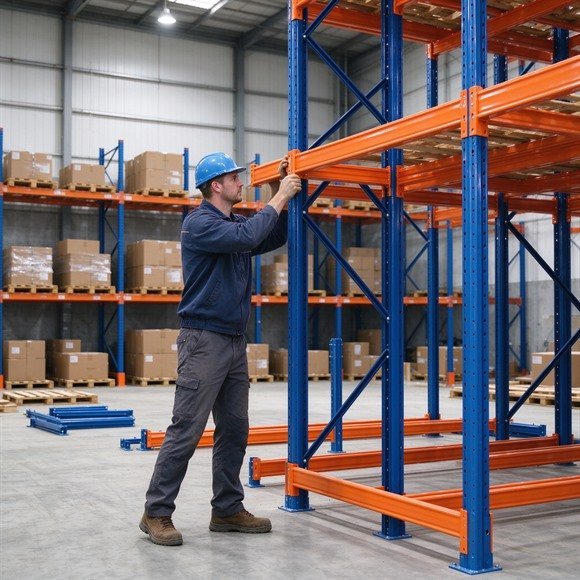
The point in practice is the image above: one worker seats a beam onto an upright without a crew, with spare frames and beams staged on the floor for the next bay. That is the rhythm of a bay-by-bay expansion — assemble one row, load it, then add the next on a weekend instead of bringing in a contractor.
Common mistakes to avoid
Three errors show up on expansion projects. First, buyers size beams for an average pallet instead of the heaviest one, and sag appears within a year. Second, they run aisles too narrow for the truck they actually use, slowing putaway. Third, they forget upright protection at the aisle ends, where most forklift bumps happen. Size for the heaviest pallet, match the aisle to your truck, and fit upright protectors, and the expansion holds up for years.
Why buy from Luoyang Hengna
Luoyang Hengna Office is a steel furniture manufacturer in the Pangcun steel furniture industrial zone, Henan, China. We supply boltless pallet racking factory-direct, with beam levels that adjust without tools and a layout that expands bay by bay. Orders ship in knock-down form with protective packaging, and export pricing is confirmed per order with a 24-hour quotation response.
Frequently asked questions
Can one person really assemble boltless pallet racking?
Yes. The beam-end hooks into the upright slot and locks with a safety clip, so a single operator can seat and secure each level without assistance. Larger bays are still easier with two people for handling the uprights.
Can I add more bays to my existing racking later?
Yes. The system supports starter-and-addon expansion, so you can add rows onto an existing run as inventory grows, as long as the frame specs match.
How much weight can a boltless pallet rack hold per level?
Capacity depends on frame size, beam span, and the number of beams per level. Confirm the per-level rating in the specification and size it against your heaviest pallet.
Do I need wire decking for carton storage?
For loose cartons and smaller loads, wire decking creates a flat, stable surface and prevents items falling between beams. For full pallets, open beams with pallet support bars are usually sufficient.
How does boltless racking ship overseas?
It ships in knock-down form, flat-packed and protected, and assembles on site with the beam fittings included. Freight terms and lead time are confirmed in the quotation.
Get a quote within 24 hours
If you are expanding warehouse storage and want racking that grows with you, contact Luoyang Hengna for a quotation. We respond within 24 hours with pricing, lead time, and shipping options based on your order size and destination.